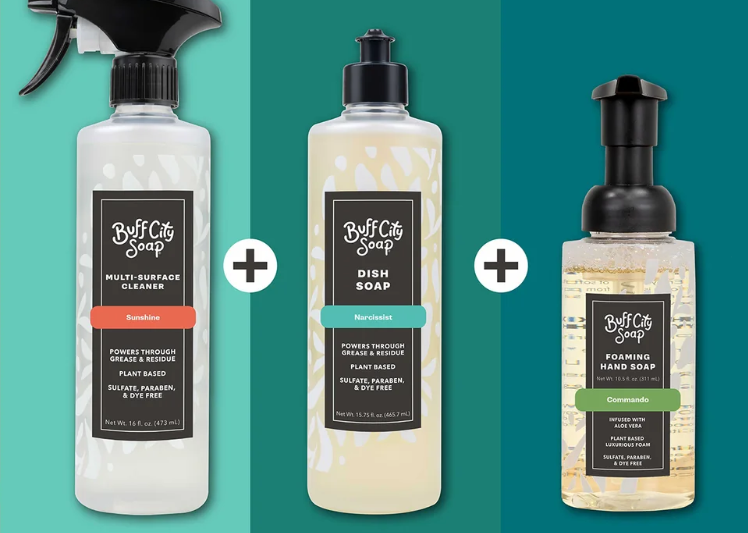
$1O BUILD YOUR BUNDLE
Choose your favorite Dish Soap,Multi-Surface Cleaner,& Foaming
Hand Soap!


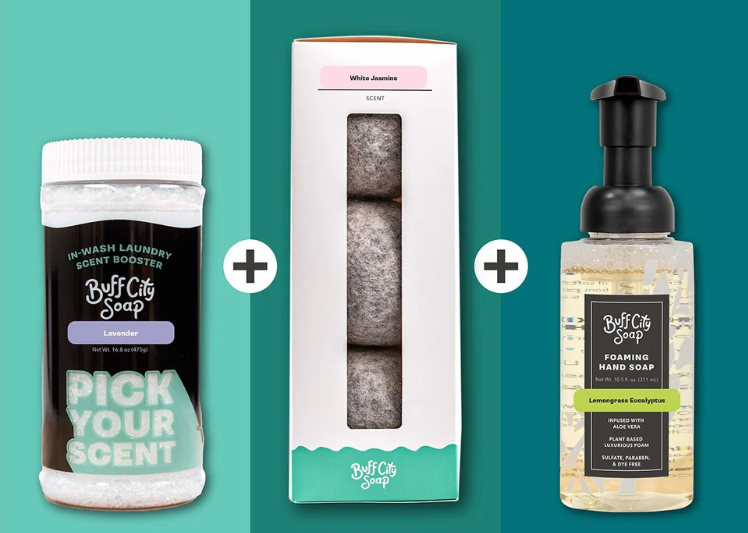
NEW& POPULAR
New Products

New Products
New Products
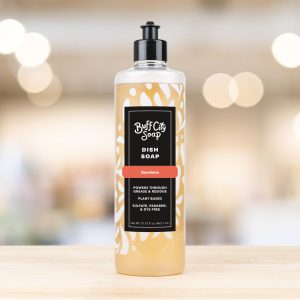
New Products
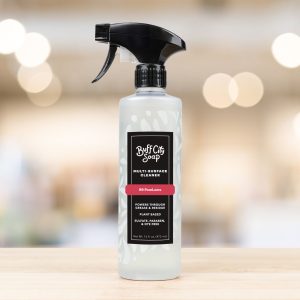
New Products
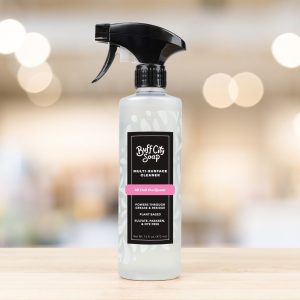
New Products
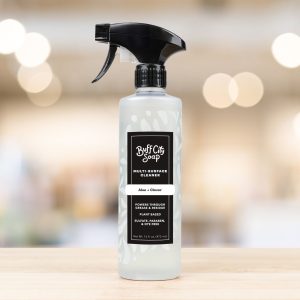
New Products
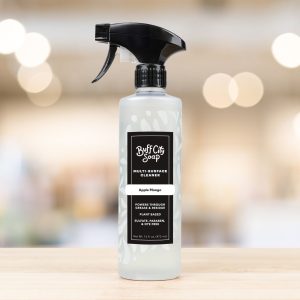
New Products
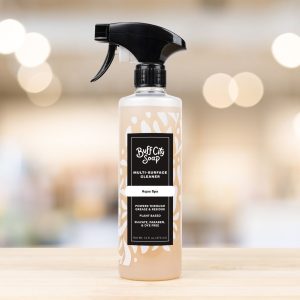
New Products
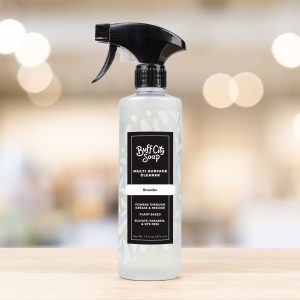
New Products
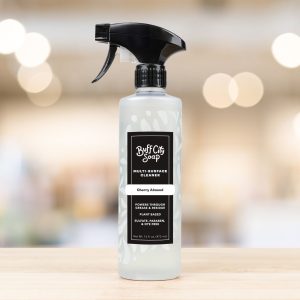
New Products

New Products
SHOP BY CATEGORY



The act of cleaning, often perceived as a simple domestic chore, is in reality a fascinating interplay of physics and chemistry, driven by the unsung heroes of our households: the cleaning agents. These formulations, ranging from simple mixtures to complex syntheses, are the essential tools that transform chaos into order and grime into gleam. Understanding the core principles of how these substances operate is key to maximizing their efficacy and maintaining a truly hygienic living space.
At the heart of most successful cleaning agents are molecules called surfactants. These remarkable compounds possess a dual nature: one end of the molecule is hydrophilic (water-loving), and the other is lipophilic or hydrophobic (oil- or dirt-loving). When mixed with water, surfactants position themselves at the interface between the water and the soil. The lipophilic tails burrow into grease, oil, and particulate matter, while the hydrophilic heads remain anchored in the surrounding water. This action lifts the dirt off the surface, encapsulates it in tiny structures called micelles, and allows it to be suspended in the water, ready to be rinsed away. Without this elegant molecular maneuver, plain water would be largely ineffective against common household messes.
The effectiveness of a cleaning formulation also heavily relies on its $text{pH}$ level, a measure of its acidity or alkalinity. Different types of soil respond best to different $text{pH}$ ranges. For instance, alkaline agents (those with a high $text{pH}$) are masters at dissolving greasy, fatty, and protein-based messes, which are common in kitchen environments. The high alkalinity helps to break down these organic substances through a process called saponification, effectively turning fats into soap. Conversely, acidic agents (low $text{pH}$) excel at tackling mineral deposits, rust, and soap scum—the unsightly residues often found in bathrooms and on glass. The acid reacts with the mineral base, dissolving the unwanted buildup. A neutral $text{pH}$ cleaner, sitting in the middle of the scale, is often used for general-purpose cleaning of delicate surfaces where highly acidic or alkaline substances could cause damage.
Beyond the fundamental action of surfactants and $text{pH}$ modulation, many specialized cleaning agents incorporate additional components to enhance performance. Enzymes, for example, are biological catalysts that target and break down specific types of organic stains, such as starches, blood, or grass. Each enzyme is specialized: a lipase targets fats, a protease targets proteins, and an amylase targets carbohydrates. Their presence in a formulation allows for highly effective stain removal, often at lower temperatures than would otherwise be required.
For surfaces that require more than just the removal of visible dirt, agents that contain antimicrobial components come into play. These substances are formulated to eliminate or inhibit the growth of microorganisms, including undesirable microscopic threats. This goes beyond the visual clean and delves into the realm of sanitation, a critical consideration in food preparation areas and illness-prone environments. The science behind these components involves disrupting the cellular structure or metabolic processes of the microorganisms, rendering them inactive and helping to maintain a healthier living atmosphere for all occupants.
Furthermore, the physical act of cleaning—the mechanical action of scrubbing or wiping—works synergistically with the chemical action of the agent. The mechanical agitation helps to break the bond between the soil and the surface, allowing the surfactants to penetrate and surround the grime more effectively. A thoughtful application of the correct cleaning substance, combined with the appropriate level of physical effort and a suitable cleaning implement, creates the optimal scenario for achieving a spotless and hygienic result. This combination of chemical and mechanical effort demonstrates that deep cleanliness is not achieved by chance, but is the predictable outcome of applied science. The journey from a soiled area to a sparkling clean one is a testament to the elegant yet powerful chemistry happening right in our hands. The seemingly simple bottle on the shelf holds a world of molecular engineering designed to simplify a fundamental human need: the desire for a clean and wholesome existence.